NWH's Alder Seedling Program

NHLA co-sponsored NWH’s third annual Alder Seedling Program, an initiative that reflects a shared commitment to ecological balance and forest diversity in the Pacific Northwest. This year, the program successfully distributed 21,000 alder seedlings to landowners across the region. NHLA’s Chief Marketing Officer, Natalie Thelen, joined NWH staff at their Eugene, Oregon, sawmill to help distribute seedlings and connect with recipients, including tree farm owners, ranchers, and farmers.
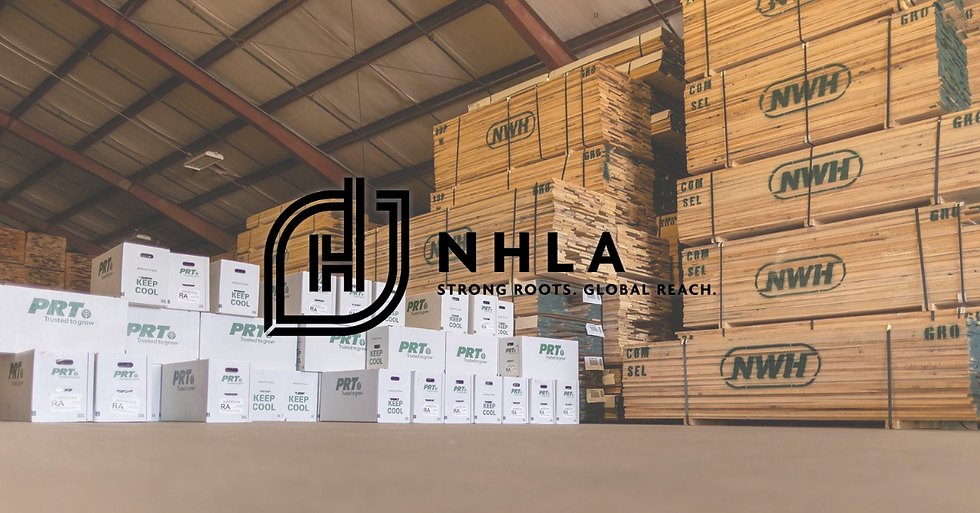
In recent years, commercial forests have seen a decline in Alder populations, often overtaken by softwood species such as Douglas-fir. The Alder Seedling Program works to address this imbalance by supporting species diversity and strengthening overall forest health.
Through a partnership with PRT Nursery, the program provides high-quality container seedlings sourced from Weyerhaeuser. These seedlings are selected for their adaptability across a range of growing conditions, helping improve survival rates. Recipients also receive best practice guidance to support successful planting and long-term growth.
Participants shared a range of goals and outcomes from planting alder, including improving riverbank stability, restoring productivity in areas affected by Douglas-fir root rot, and diversifying wetlands in response to potential threats like Emerald Ash Borer.
One of the program’s largest recipients is the Coquille Indian Tribe along the Oregon coast. Managing approximately 5,400 acres of forestland, the Tribe relies on forest revenue to support essential services such as healthcare, education, and elder care. Alder plays an important supporting role in these forests, helping improve soil quality through natural nitrogen addition and enhancing overall site productivity. The seedlings provided through the program contribute to maintaining healthy, resilient forests that support both ecological and community needs.
Programs like this highlight the value of active forest stewardship while also supporting the practical needs of landowners and farmers. Whether improving soil health, stabilizing riverbanks, restoring unproductive areas, or diversifying working lands, alder provides benefits across a range of operations. By supporting efforts that promote both ecological balance and practical land use, initiatives like the Alder Seedling Program help strengthen forests, farms, and rural communities.


